
GoBooking
Connect brands with KOC/KOL, creators and booking opportunities.

Height Entertainment From supplier information to each product batch
When a customer asks where a product comes from, a shop needs to retrieve the batch and related records, not just open an introductory page. Height Entertainment proactively coordinates with a specialist provider to develop a traceability approach suited to the product, available data and your operations.
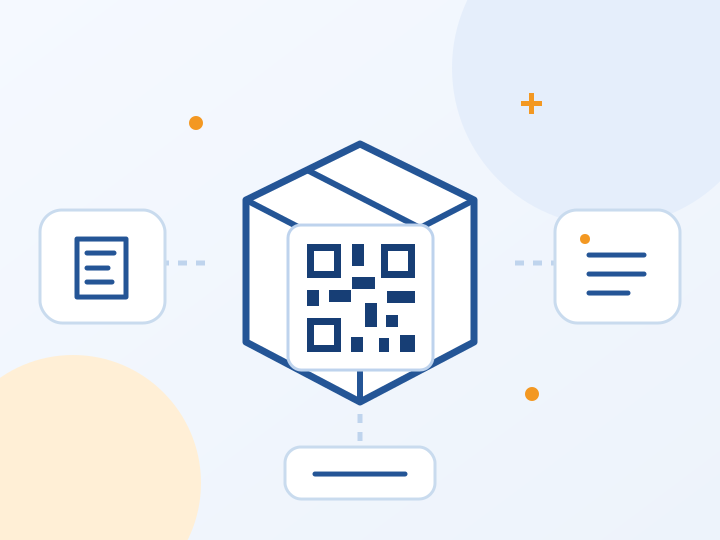
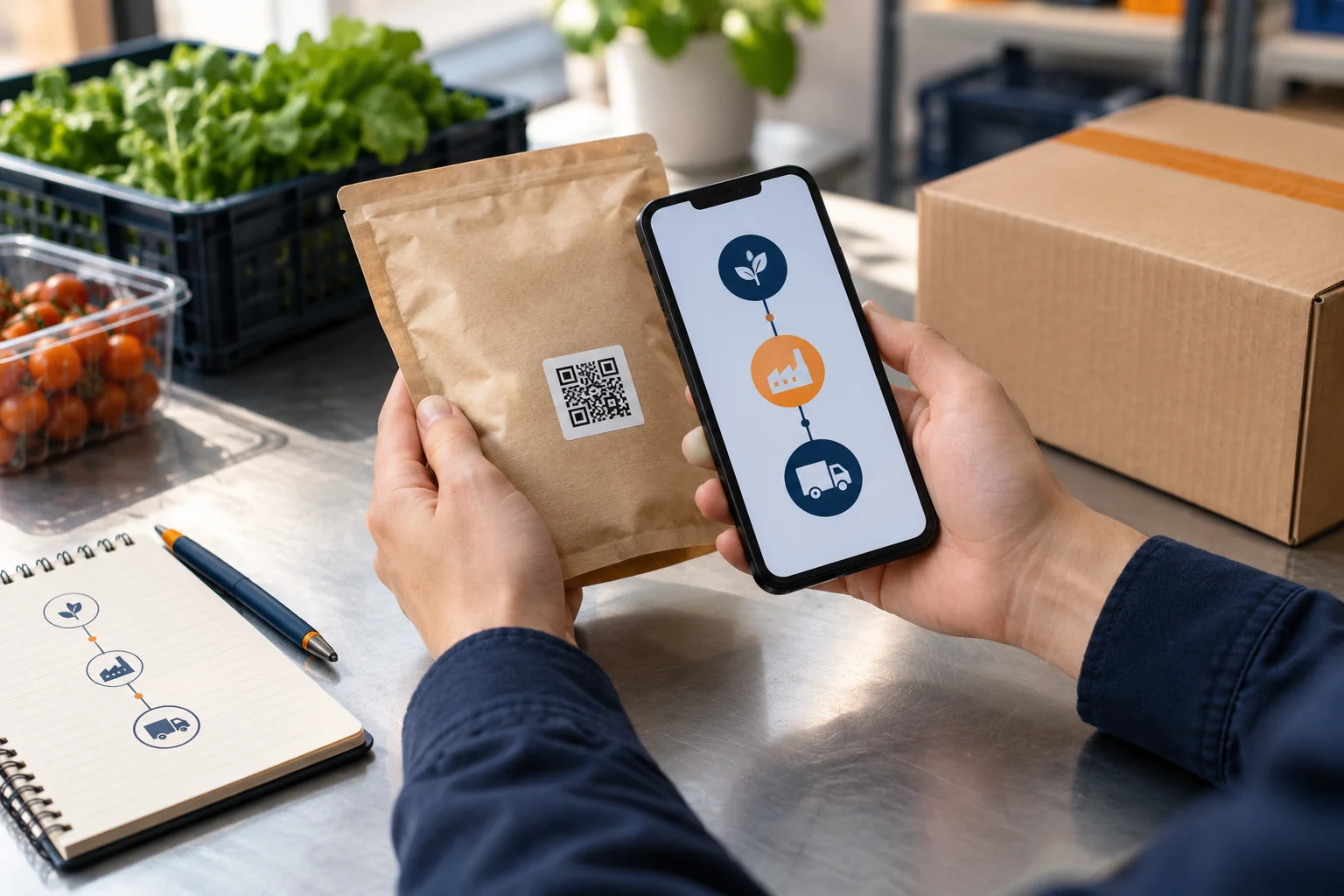
Goods come from several suppliers, but the records are scattered? The same product arrives in multiple shipments, making it hard to identify which batch was sold? Or are you preparing records requested by a partner? The first discussion clarifies the problem to solve before deciding how many labels to use.
TCVN 12850:2019 provides a reference for general traceability-system requirements; regulations and standards applicable to the specific product also need to be checked. The approach must identify product/batch codes, the parties involved and data at the stages being tracked. A QR label is a way to access data; it does not by itself prove origin or quality.
Depending on the implementation scope, deliverables include a standardized product list, batch-record structure, pilot records, display/label samples, update instructions and check results. You and the implementing provider confirm what meets the criteria, what data is still missing and who will take responsibility next.
Hypothetical scenario: a shop receives the same product twice. The two receipts are recorded as two events and linked to the correct batch code, receiving forms and supply source; each receipt is not automatically treated as a new source batch. If a discrepancy appears, the operations team can identify the related batch for review.
Height Entertainment coordinates specialist input and timing; the business confirms its actual data. Connection to a national system, assessment/certification or barcode registration are separate items where applicable and are not automatically included with labels or software. Missing data must be supported by real records; no origin history is created on a supplier’s behalf.
Practical resource
Hypothetical data using code LO-MAU-01, solely to show the structure for discussion. Do not use this sample to verify a real product.
| Tracking point | Information in the batch record | Documents to check in a real implementation |
|---|---|---|
| Batch identification | Sample product • LO-MAU-01 • packaging specifications | Confirmed product list and batch grouping rules |
| Supply source | Supplier and supplier batch, if available | Supply records and documents linked to the corresponding batch |
| Goods receipt | Receipt time, receiving warehouse and quantity received | Relevant receiving forms and delivery records |
| Storage | Location, person updating the record and changes to track | Operations log or records within the applicable scope |
| Goods dispatch | Dispatch time, quantity dispatched and recipient, subject to access rights | Dispatch/delivery forms and reconciliation data |
Traceability data must come from actual operations. Internal information or personal data is not automatically displayed publicly when a label is scanned.
Before implementation
The label alone is not enough to decide. The underlying data, links between products and batches, and update process must be checked to identify what can be reused and what needs to be added.
The review can begin with the receiving, storage and distribution stages the shop controls. Earlier information requires cooperation from the supplier; the lookup scope must accurately reflect the available data.
Start with your actual needs
Send product or business information so the work, specialist contact and suitable quotation can be defined before implementation.

Media • Commerce • Entertainment
Height Entertainment is a communications company providing creative solutions for content production, events, media and marketing. We work alongside businesses to build their image, increase awareness and deliver more practical, effective campaigns.
For customers seeking quick advice, wanting to join the seller community or looking for immediate access to the Height ecosystem's e-commerce operations toolkit.

Height OS supports clearer management of tasks, data and e-commerce performance, helping teams track progress, collaborate and manage growth more effectively.
Height Entertainment pursues professional media production, hands-on delivery and a focus on real brand performance.




Websites in the Height Ecosystem
Two official apps for creators, brands and teams.
Connect brands with KOC/KOL, creators and booking opportunities.

Manage, connect and explore services in the Height ecosystem.

Leave your details and Height Entertainment will advise on connecting creators, content and communities suited to your campaign objectives.